
Pediatrics: The Background and Path to Becoming a Pediatrician
By: Shania Ali
Pediatrics is the branch of medicine that involves the medical care of infants, children, and adolescents. It is a broad field with several pathways doctors can choose from. A pediatrician is a medical doctor who specializes in pediatrics and manages the physical, behavioral, and mental care for children from birth until age 18. They are meant to address health, diet, and hygiene concerns in this age group. Pediatricians also treat children and teens who suffer from acute and chronic health problems and minor injuries. Their job thus involves performing diagnostic tests to obtain information of the patient’s:
- Medical condition
- Administer treatments
- Therapies
- Medications
- Vaccinations to treat illnesses
- Disorders
- Injuries
As part of their job, pediatricians also:
- Conduct physical exams
- Answer questions about the patients growth and development
- Diagnose and treat illnesses, infections, injuries, and other health problems
- Give recommended immunizations
- Provide information about the patients safety, health, nutrition, and fitness needs
The path to becoming a pediatrician can be rigorous if hard work isn’t put in. The most important factor to consider before starting the journey to becoming a pediatrician is determining whether this is the career path you want to pursue. Commitment is key to becoming successful. Next comes the steps:
- Obtain a bachelor’s degree (4 years)
- Take the MCAT
- Apply to medical school (4 years)
- Earn an MD degree
- Complete residency (3 years)
- Complete a pediatric fellowship (optional 2-3 years)
- Obtain a license in order to practice
- Become board-certified (optional)
A pediatrician may also choose to specialize further in a specific field of pediatric health like:
- Cardiology
- Critical care
- Endocrinology
- Gastroenterology
- Hematology
- Nephrology
- Neonatal medicine
- Oncology
Common Pediatric Diseases
By: Manisha Asrani
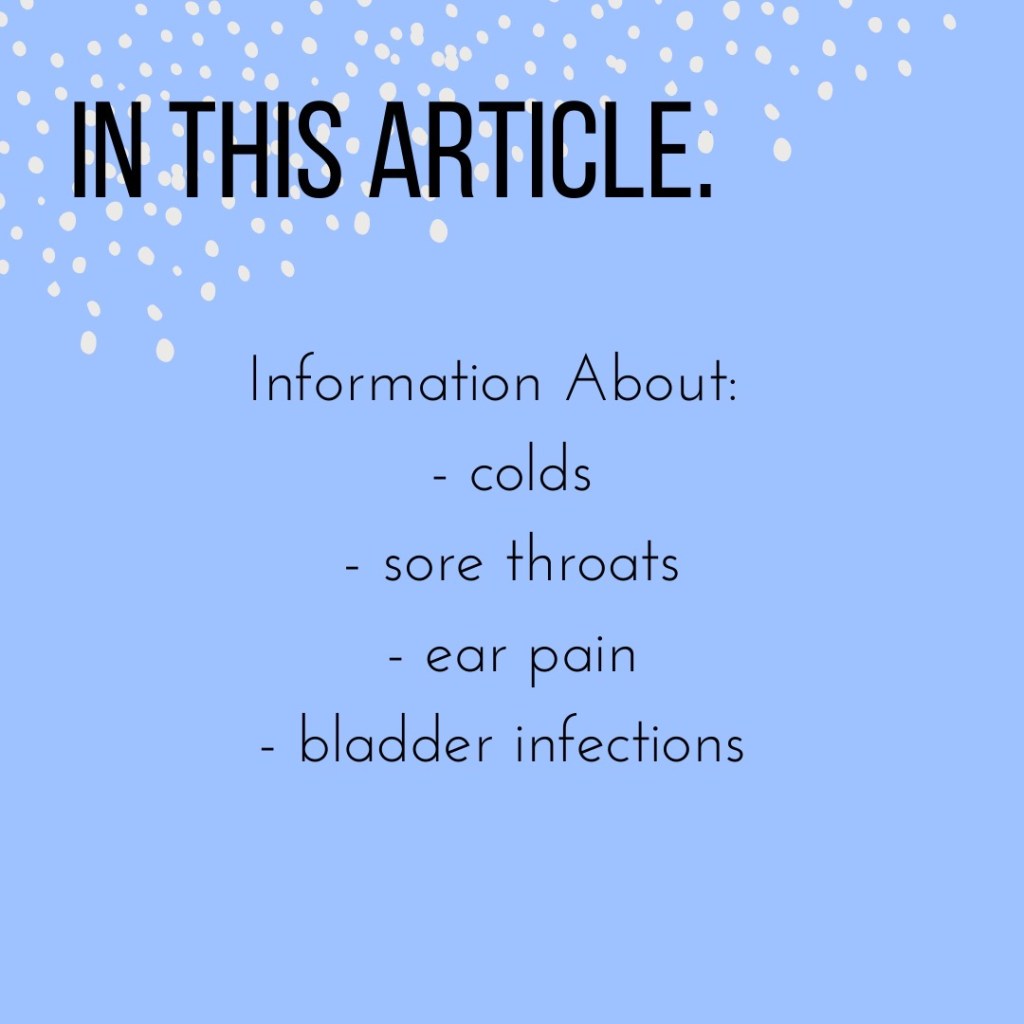
Children are more susceptible to sickness due to their underdeveloped immune systems and their high exposure to germs at schools and child care facilities. This article will go through some of the most common illnesses children may have to face. This includes colds, sore throats, ear pain, and urinary tract infection.
Colds are caused by viruses in the upper respiratory tract. Many young children—especially those in child care—can get 6 to 8 colds per year. Symptoms of a cold (including runny nose, congestion, and cough) may last for up to ten days.
Sore throats are also common in children and can be painful. A sore throat that is caused by a virus does not need antibiotics and a child usually recovers within seven to ten days. However, a sore throat could also be caused by a streptococcal infection (strep throat), caused by a bacteria called streptococcus. Strep cannot be accurately diagnosed by simply looking at the throat. A lab test or in-office rapid strep test, which includes a quick swab of the throat, is necessary to confirm the diagnosis of strep. If positive for strep, an antibiotic will be prescribed by a pediatrician. Babies and toddlers rarely get strep throat, but they are more likely to become infected by streptococcus bacteria if they are in child care or if an older sibling has the illness. Although strep spreads mainly through coughs and sneezes, a child can also get it by touching a toy that an infected child has played with.
Ear pain is common in children and can have many causes, including ear infection (otitis media), swimmer’s ear (infection of the skin in the ear canal), pressure from a cold or sinus infection, teeth pain radiating up the jaw to the ear, and others. To tell the difference, a pediatrician examines the child’s ear. If the ear pain is accompanied by a high fever, involving both ears, antibiotics is usually the best treatment. Amoxicillin is the preferred antibiotic for middle ear infections. There are, however, many ear infections that are caused by viruses and do not require antibiotics.
Bladder infections, also called urinary tract infections or simply UTIs, occur when bacteria build up in the urinary tract. A UTI can be found in children from infancy through the teen years and into adulthood. Symptoms of a UTI include pain or burning during urination, the need to urinate frequently or urgently, bedwetting or accidents by a child who knows to use the toilet, abdominal pain, or side or back pain. A urine sample is usually tested for a UTI before determining treatment, and treatment is adjusted depending on which bacteria is found in your child’s urine.
Overall, children do have to face many diseases, but the main reason is because their body is still developing and they don’t have a strong immune system at the young age.
Work Cited:
Pediatrics: The Background and Path to Becoming a Pediatrician
Collins, Sonya. “Who Is a Pediatrician?” WebMD, 16 June 2012, www.webmd.com/baby/pediatricians-role-twins#1 .
Smith, Yolanda B. Pharm. “Pediatrician: Role, Education, Training, Subspecialties.” News-Medical.Net, 27 Feb. 2019, http://www.news-medical.net/health/Pediatrician-Role-Education-Training-Subspecialties.aspx#:%7E:text=A%20pediatrician%20must%20first%20graduate,accredited%20residency%20program%20for%20pediatricians.
CareerExplorer. “How to Become a Pediatrician.” CareerExplorer, 14 Nov. 2019, www.careerexplorer.com/careers/pediatrician/how-to-become.
—. “What Does a Pediatrician Do?” CareerExplorer, 14 Nov. 2019, www.careerexplorer.com/careers/pediatrician .
Common Pediatric Diseases
“Common Childhood Illnesses.” Johns Hopkins Medicine,
www.hopkinsmedicine.org/health/wellness-and-prevention/common-childhood-illnesses.
“Information on Diseases & Conditions for Parents with Children (Ages 4-11).” Centers for
Disease Control and Prevention, Centers for Disease Control and Prevention, 8 Oct. 2020, http://www.cdc.gov/parents/children/diseases_conditions.html.
 Medical Wonders