Treatment for Diabetics
By: Manisha Asrani
If you have diabetes, your body is not able to properly process and use glucose from the food you eat. There are different types of diabetes- each with different causes- but they all share the common problem of having too much glucose in your bloodstream. Some types of diabetes can be prevented by adopting a healthy lifestyle. Other types of diabetes require medications and insulin. In this article, we will go over various treatment plans.
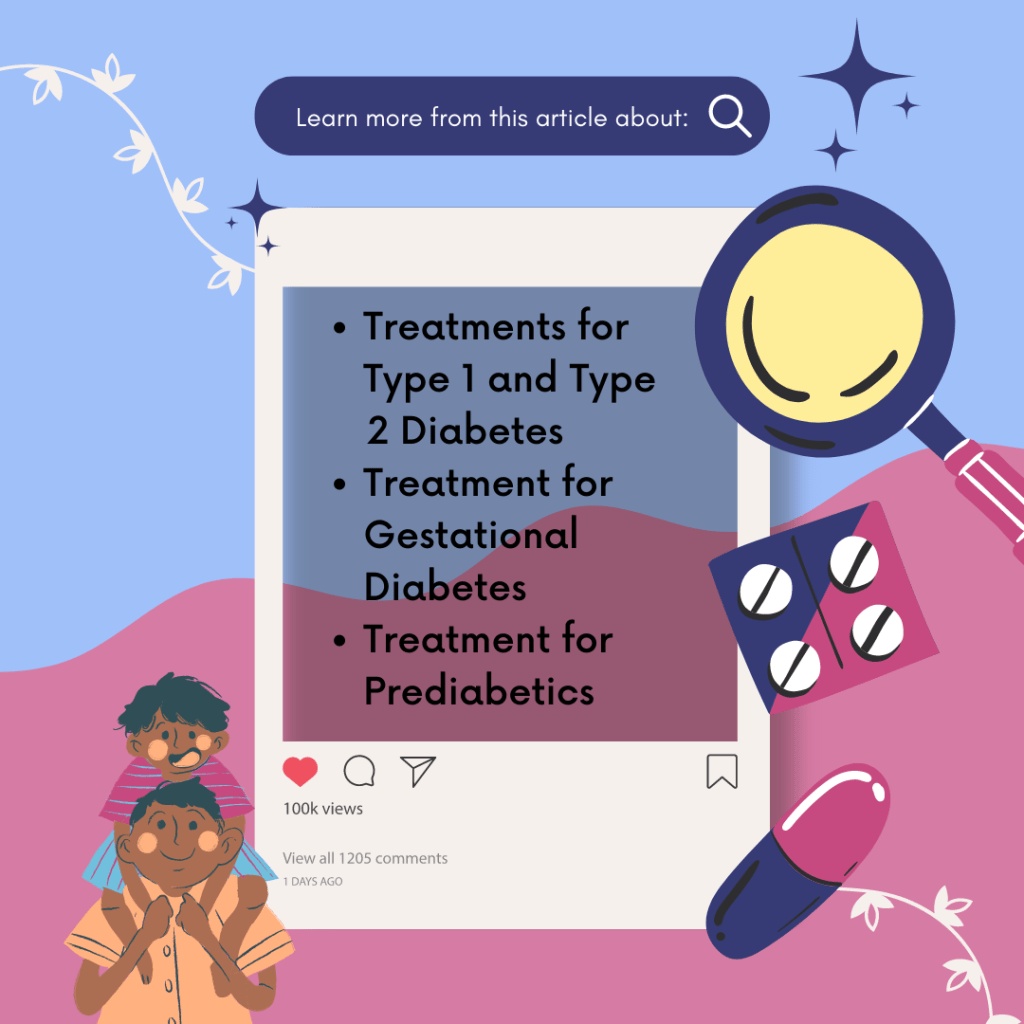
Treatment for Type 1 and Type 2 Diabetes: Treatment for type 1 diabetes involves insulin injections or the use of an insulin pump, frequent blood sugar checks, and carbohydrate counting. Treatment of type 2 diabetes primarily involves lifestyle changes, monitoring blood sugar, along with diabetes medications, insulin, or both.
Depending on your treatment plan, you may check and record your blood sugar as many as four times a day or more often if you are taking insulin. Careful monitoring is the only way to make sure that your blood sugar level remains within your target range. People with type 2 diabetes who are not taking insulin generally check their blood sugar much less frequently.
People with type 1 diabetes need insulin therapy to survive. Many people with type 2 diabetes or gestational diabetes also need insulin therapy. Many types of insulin are available, including short-acting (regular insulin), rapid-acting insulin, long-acting insulin, and intermediate options.
Depending on your needs, your doctor may prescribe a mixture of insulin types to use throughout the day and night. An insulin pump also may be an option. The pump is a device about the size of a small cellphone worn on the outside of your body. A tube connects the reservoir of insulin to a catheter that is inserted under the skin of your abdomen.
Treatment for Gestational Diabetes: Treatment for gestational diabetes includes lifestyle changes and blood sugar monitoring. Managing your blood sugar levels helps keep the mother and the baby healthy. Close management can also lead to fewer complications during pregnancy and delivery. A treatment plan may include using insulin or oral medications.
Treatment for Prediabetics: If you have prediabetes, healthy lifestyle choices can help bring your blood sugar level back to normal or at least keep it from rising toward the levels seen in type 2 diabetes. Maintaining a healthy weight through exercise and healthy eating can help. Exercising at least 150 minutes a week and losing about 7% of your body weight may prevent or delay type 2 diabetes. Sometimes medications such as metformin are an option. In other cases, medications to control cholesterol and high blood pressure medications are needed.
What is diabetes and what can we do to prevent it?
By: Shania Ali
Diabetes is a chronic disease in which one’s blood sugar or glucose levels are too high. It occurs when the body cannot efficiently use the insulin that is produced or when the pancreas fails to produce insulin. This is also known as insulin resistance. Essentially it is a health condition that determines how the body transforms food into energy.
There are two types of diabetes; type 1 diabetes and type 2 diabetes. Type 1 can be triggered by the body’s inability to produce insulin, while type 2 can be caused by lifestyle factors and genes. However, they both consist of these symptoms:
- Extreme hunger
- Increased thirst and urination
- Fatigue
- Unexplained weight loss
- Blurred vision
- Slow healing sores
People most at risk for type 1 diabetes would be people who have the following risk factors:
- Geography
- Environmental factors
- Family history
- Presence of damaging immune system cells
People who are most likely at risk for type 2 diabetes may relate to the following:
- An inactive lifestyle
- Having high blood pressure
- Weight
- Family history
- Age
- Having prediabetes
Even though there are many factors that can cause diabetes, there are also many ways to maintain and prevent diabetes. Most of these ways will include a healthier lifestyle or sometimes even medication. Some methods that help in the prevention of diabetes are:
- Eating healthier foods or adopting a healthier diet
- Getting regular exercise
- Losing weight
Having diabetes can lead to more serious problems if not maintained properly. Some health conditions that diabetes can cause could include strokes, nerve damage, eye problems, heart disease, and dental disease. That is why it is very important to adopt and maintain a healthy lifestyle that consists of working out, eating proper foods and proportions, and losing excess weight.
Work Cited:
Treatment for Diabetics
“Diabetes.” Mayo Clinic, Mayo Foundation for Medical Education and Research, 30 Oct. 2020, https://www.mayoclinic.org/diseases-conditions/diabetes/diagnosis-treatment/drc-20371451.
“Diabetes: Types, Risk Factors, Symptoms, Tests, Treatments & Prevention.” Cleveland Clinic, https://my.clevelandclinic.org/health/diseases/7104-diabetes-mellitus-an-overview.
“Gestational Diabetes.” Mayo Clinic, Mayo Foundation for Medical Education and Research, 26 Aug. 2020, https://www.mayoclinic.org/diseases-conditions/gestational-diabetes/diagnosis-treatment/drc-20355345.
What is diabetes and what can we do to prevent it?
https://medlineplus.gov/howtopreventdiabetes.html
https://www.cdc.gov/diabetes/basics/diabetes.html
https://www.idf.org/aboutdiabetes/prevention.html
https://www.mayoclinic.org/diseases-conditions/diabetes/symptoms-causes/syc-20371444
https://www.niddk.nih.gov/health-information/diabetes/overview/preventing-type-2-diabetes
https://www.niddk.nih.gov/health-information/diabetes/overview/what-is-diabetes
 Medical Wonders